%2Ffit-in%2F250x250%2Fguide_websites%2F19642%2Fimages%2F1731518082036image-2024-11-14t011432.668.png&w=1920&q=100)
Atlantic Salmon and Brown Trout Caught in Oswego NY
Atlantic Salmon and Brown Trout Fishing in Oswego - What to Expect
%2F%2Fusers%2F9e671e0a-e056-4799-90bd-b46c02b8da2f%2Fimages%2Foswego-salmon-trout-catch-3042.jpg&w=1920&q=75)
Fishing Charter by Captain Jim Mckemmie in June
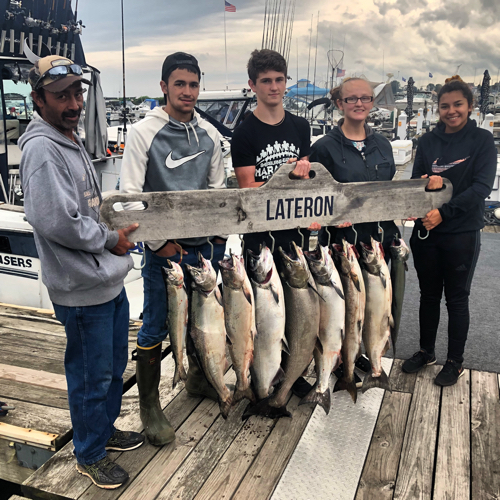
- Catch Trophy Fish With Fishing Charter Oswego NY


Summary
This fishing charter in Oswego, NY delivered impressive results on a Tuesday in June. Captain Jim McKemmie of Later On Sportfishing landed both Atlantic salmon and brown trout, showcasing the productive waters off this Lake Ontario destination. The catch reflects the strong salmon runs and trout populations that make this region a premier freshwater fishing location.
Fishing Charter with Captain Jim McKemmie - Rates & Booking
Captain Jim McKemmie of Later On Sportfishing on Tuesday, June 17th delivers consistent results targeting Lake Ontario's premier salmon and trout populations. This fishing charter specializes in connecting anglers with Atlantic salmon and brown trout, two of the most sought-after species in the region. To discuss charter dates, group size, and current rates, contact Later On Sportfishing directly for availability and booking information.
Highlights of This Oswego Fishing Charter
The waters off Oswego, NY have earned a strong reputation for Atlantic salmon fishing. These powerful fish migrate into Lake Ontario from the Atlantic and provide thrilling fights that test both skill and equipment. The charter environment here combines deep water structure with seasonal salmon runs that concentrate fish in accessible areas.
Brown trout share these same waters and offer a different challenge. These fish are known for their wariness and selective feeding, requiring refined presentation and strategic positioning. Catching both species on a single outing demonstrates the diversity and abundance this Lake Ontario fishery provides.
Local Species Insights: Atlantic Salmon and Brown Trout
Atlantic salmon in Lake Ontario represent a carefully managed fishery with strong populations that support recreational and commercial interests. These fish exhibit aggressive feeding behavior during their spawning runs and respond well to trolling techniques that cover water efficiently. Salmon typically school in deeper channels and near structure, where cooler water and abundant baitfish converge. The fight from an Atlantic salmon is legendary among freshwater anglers, with powerful runs and aerial displays that create unforgettable moments on the water.
Brown trout inhabit similar deep-water zones but display distinct behavior patterns. These fish are primarily sight feeders that respond to natural presentation and precise placement. Brown trout in Lake Ontario grow to impressive sizes, with some individuals exceeding 10 pounds. They prefer cooler water temperatures and are most active during spring and fall transitions, though summer fishing in deeper zones remains productive. The combination of salmon and trout on the same charter reflects how well-matched their habitat requirements and feeding zones are in Oswego waters.
The charter fishing approach typically involves trolling with live bait, spoons, or plugs at varying depths depending on water temperature and seasonal conditions. Captain McKemmie's local expertise ensures techniques align with current fish location and behavior. The Lake Ontario environment itself supports these species through consistent oxygen levels in deeper waters and reliable forage fish populations that sustain year-round feeding.
Plan Your Oswego Fishing Day
Oswego fishing charters typically operate from early morning through afternoon, timing runs to coincide with optimal fish activity. Expect to spend several hours on the water with experienced guidance on tackle selection, casting technique, and fish handling. The Lake Ontario experience includes exposure to varying water conditions, from calm deep-water zones to productive transition areas where structure and current converge. Weather and water temperature influence daily strategy, and Captain McKemmie adjusts approaches based on real-time conditions and recent catch reports from the fleet.
Fishing in Oswego, NY: Atlantic Salmon and Sea Trout
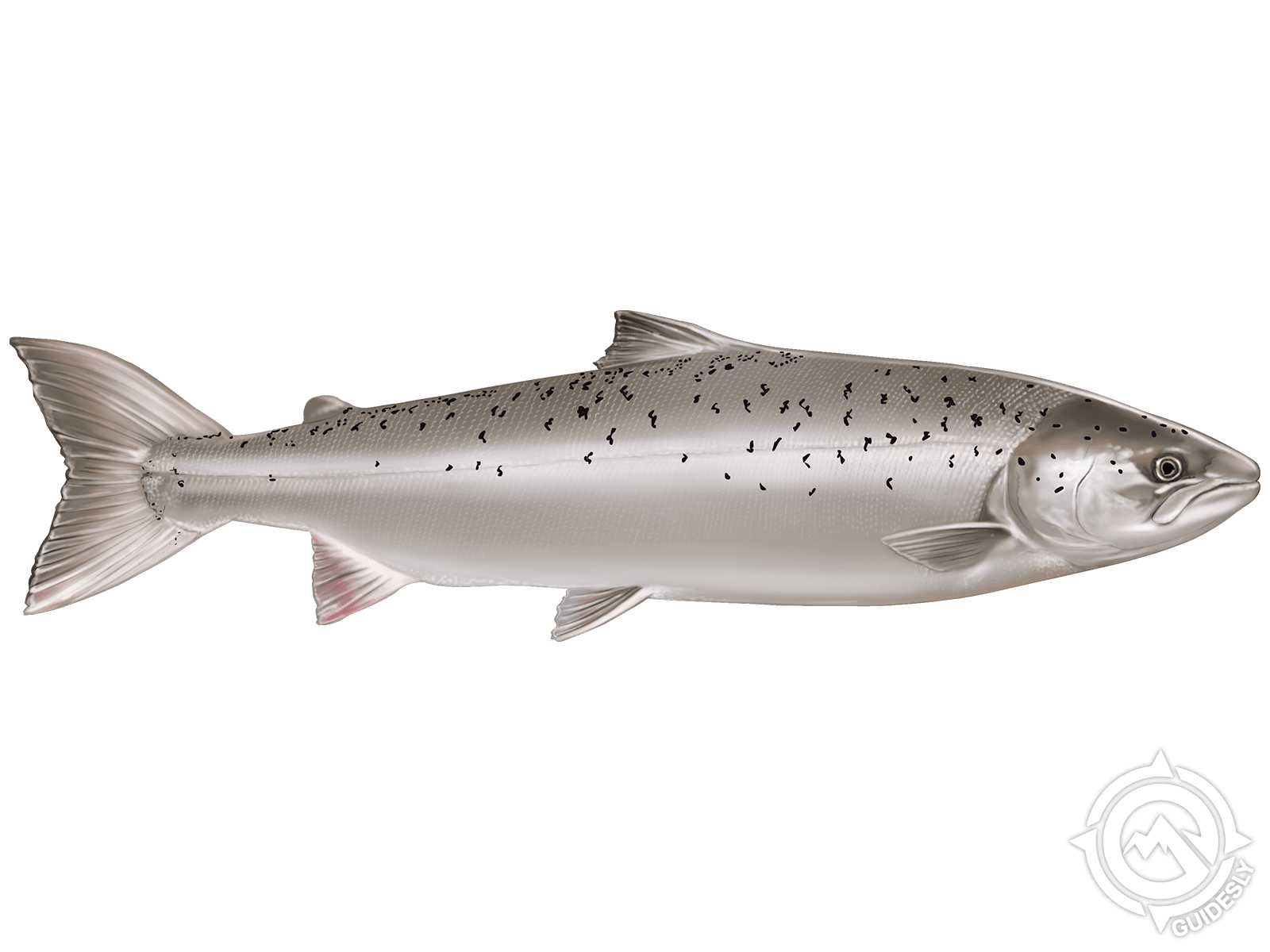
Atlantic Salmon Overview
The Atlantic Salmon (Salmo salar), belonging to the family Salmonidae and order Salmoniformes, is one of the most iconic and sought-after fish species in North America. Distinguished by its sleek, elongated body with a forked tail and relatively small head, this remarkable fish is the only salmon species native to the Atlantic Ocean and the second-largest in the entire salmon family. What makes Atlantic salmon truly special is their anadromous nature—they're born in freshwater rivers and streams, migrate to the ocean to grow and feed for several years, then return to their natal waters to spawn. Unlike their Pacific cousins, Atlantic salmon can spawn multiple times throughout their lives, making them incredibly valuable to both recreational anglers and conservation efforts. In Maine and other northeastern regions, these silvery fighters are considered the king of fish due to their powerful leaping ability and thrilling fight once hooked.
Atlantic Salmon Habitat and Distribution
Atlantic salmon thrive in cold, pristine waters across the North Atlantic. Young salmon are born and spawn in freshwater bodies such as streams, rivers, and lakes throughout New England and the Maritime provinces, where they remain for approximately 2 to 3 years before migrating toward estuaries and finally into the Atlantic Ocean. They spend another 2 to 3 years at sea feeding and growing before the remarkable homing instinct calls them back to their birth water to complete the reproductive cycle. Historically, these magnificent fish were native to almost every river and stream north of the Hudson River in the United States. Sadly, due to habitat destruction, dam construction, and overfishing, most populations in New England have been eradicated. Today, the only native populations of Atlantic salmon remaining in the United States are concentrated in Maine, where dedicated conservation programs work tirelessly to restore and protect these declining stocks. Their distribution map reveals the stark reality of their decline, with thriving populations now limited primarily to Canadian Maritime provinces and Iceland.
Atlantic Salmon Size and Weight
Atlantic salmon typically grow to an average length of 28 to 30 inches, though specimens can range from 24 to 32 inches depending on their time spent at sea and local environmental conditions. Weight generally ranges from 8 to 12 pounds for typical catches, with larger individuals occasionally exceeding these averages. The largest Atlantic salmon tend to be older fish that have spent more time feeding in the nutrient-rich Atlantic waters. Sexual dimorphism is notable during spawning season, with males developing a pronounced hooked jaw called a kype, while females remain more streamlined. Size is often an indicator of age, with most spawning salmon being at least 4 to 6 years old, making each substantial catch a genuinely impressive achievement.
Atlantic Salmon Diet and Behavior
The dietary preferences of Atlantic salmon shift dramatically throughout their lifecycle. Juvenile Atlantic salmon in freshwater streams feed primarily on small insects and amphipods, developing their predatory skills in the cool, clear waters where they were born. Once they reach the ocean as smolts—transformed through a remarkable physiological process called smoltification—their diet expands to include herring, alewife, rainbow smelt, capelin, mummichogs, sand lances, flatfish, and small Atlantic mackerel. This oceanic feeding period allows them to grow rapidly and gain the strength necessary for their eventual upstream migration. During their freshwater spawning migration, however, Atlantic salmon typically cease feeding altogether, relying entirely on stored energy reserves. Behaviorally, these fish are highly intelligent and possess an extraordinary navigation ability, using geomagnetic cues and olfactory memory to locate their home rivers from thousands of miles away in the open ocean.
Atlantic Salmon Spawning and Seasonal Activity
The Atlantic salmon spawning cycle is one of nature's most dramatic migrations. Spawning typically occurs from November through January, with young salmon hatching in April after spending the winter protected in gravel nests. Salmon usually spawn at night, selecting pool ends or gravelly bottoms in their natal rivers. During spawning, males compete fiercely for mating opportunities, their hooked jaws clashing in spectacular battles. After the male fertilizes eggs deposited by females, the eggs are carefully covered to protect them from predators and disturbance. Unlike Pacific salmon, many Atlantic salmon survive spawning and return to the ocean to feed and regain strength, allowing them to spawn again in subsequent years—a remarkable adaptation that sets them apart. This partial repeat breeding capability means that a single Atlantic salmon might contribute to multiple generations of its population, increasing genetic diversity and population resilience.
Atlantic Salmon Techniques for Observation and Capture
Fly Fishing with the Swing Technique: One of the oldest and most effective methods for catching Atlantic salmon is the classic swing technique, still considered the gold standard among experienced anglers. This method involves casting your fly at approximately 45 degrees downstream, then allowing it to swing naturally with the current across the river pool. The fly choice is critical and should match water conditions—use larger flies on cold days and never forget black color patterns in your fly box. The color of your fly should closely match the water color you're fishing; in clear water, use lighter shades of greens and silvers, while darker, more opaque patterns work better in stained or peaty water. Around Maine's famous rivers like the Penobscot and Kennebec, experienced guides swear by this method during spring and fall runs.
Conventional Casting and Spinning: For anglers who prefer conventional tackle, small spoons, spinners, and plugs can be highly effective, particularly in slightly higher water conditions. Cast upstream or across-stream and retrieve with a steady, moderate pace, allowing the lure to wobble and flash in the current. Metal spoons in silver, gold, and copper finishes often provoke strikes from aggressive feeding fish, particularly during prime early morning or evening hours.
Location and Timing Strategy: Success with Atlantic salmon requires fishing the right spots at the right time. Focus on deep pools, current breaks behind large rocks, and the tails of established runs where salmon rest during their upstream migration. Early morning and late evening provide the most productive fishing windows, and water temperature is critical—fish are most active when water temperatures range between 45 and 60 degrees Fahrenheit. Spring (March through May) and fall (August through October) represent the prime fishing seasons in most northeastern rivers.
Atlantic Salmon Culinary and Utilization Notes
Wild Atlantic salmon is widely regarded as an excellent delicacy, commanding premium prices at seafood markets and restaurants worldwide. The flesh is distinctively orange or pink in color, with a rich, buttery flavor profile that reflects the fish's oceanic diet of herring and other forage species. Nutritionally, Atlantic salmon is exceptional, offering high levels of omega-3 fatty acids, lean protein, and essential vitamins and minerals that support cardiovascular health and cognitive function. The meat has a firm yet delicate texture that works beautifully prepared by smoking, grilling, poaching, or pan-searing. However, it's crucial to note that wild Atlantic salmon populations are currently significantly below target population levels due to historical overfishing and habitat loss. In the United States, both commercial and recreational Atlantic salmon fishing is officially listed as endangered, and fishing is currently prohibited. This conservation status makes these fish more valuable as living, breeding populations than as food resources, highlighting the importance of supporting restoration efforts in Maine and other key habitats.
Atlantic Salmon Frequently Asked Questions
Q: What is the best bait or fly for Atlantic salmon?
A: For fly fishing, select patterns that match the water color and season. Classic patterns like the Green Highlander, Rusty Rat, and Blue Charm have proven effective for generations. Use larger flies (size 2-6) in cold water and smaller sizes (8-10) in warmer conditions. If using conventional tackle, small silver or gold spoons cast upstream work exceptionally well.
Q: Where can I find Atlantic salmon near Maine and other New England locations?
A: The Penobscot River, Kennebec River, and Narraguagus River in Maine represent your best opportunities for encountering wild Atlantic salmon in the United States. These rivers receive regular stocking efforts and natural runs, making them prime destinations for anglers. Always check current regulations and consult with local guide services, as some areas may be catch-and-release only.
Q: Is Atlantic salmon good to eat, and is it sustainable to harvest?
A: Wild Atlantic salmon is excellent eating with rich, nutritious flesh. However, wild populations are critically endangered, and recreational fishing is currently prohibited in the United States. If you wish to enjoy Atlantic salmon, consider responsibly farmed options instead, which allows wild populations the opportunity to recover without additional harvest pressure.
Q: When is the best time to observe or catch Atlantic salmon?
A: Spring (March through May) and fall (August through October) represent the peak fishing seasons when salmon are actively migrating upstream. Fish are most active during early morning hours and late evening, and water temperature should ideally be between 45 and 60 degrees Fahrenheit for optimal results and fish behavior.
Q: How does the Atlantic salmon's homing ability work?
A: Juvenile Atlantic salmon undergo a remarkable transformation called smoltification, during which they develop an internal homing beacon. This process involves imprinting their natal stream's unique chemical signature, combined with geomagnetic navigation abilities that allow them to traverse thousands of miles of open ocean and unerringly return to spawn in the exact river where they were born.
Q: Why are Atlantic salmon populations so depleted, and what's being done to help?
A: Historical overfishing, habitat destruction from dam construction, pollution, and climate change have devastated wild Atlantic salmon populations. Today, extensive restoration efforts in Maine and Canada focus on dam removal, habitat restoration, hatchery programs, and strict fishing regulations. Supporting conservation organizations dedicated to Atlantic salmon restoration directly contributes to these critical recovery efforts.
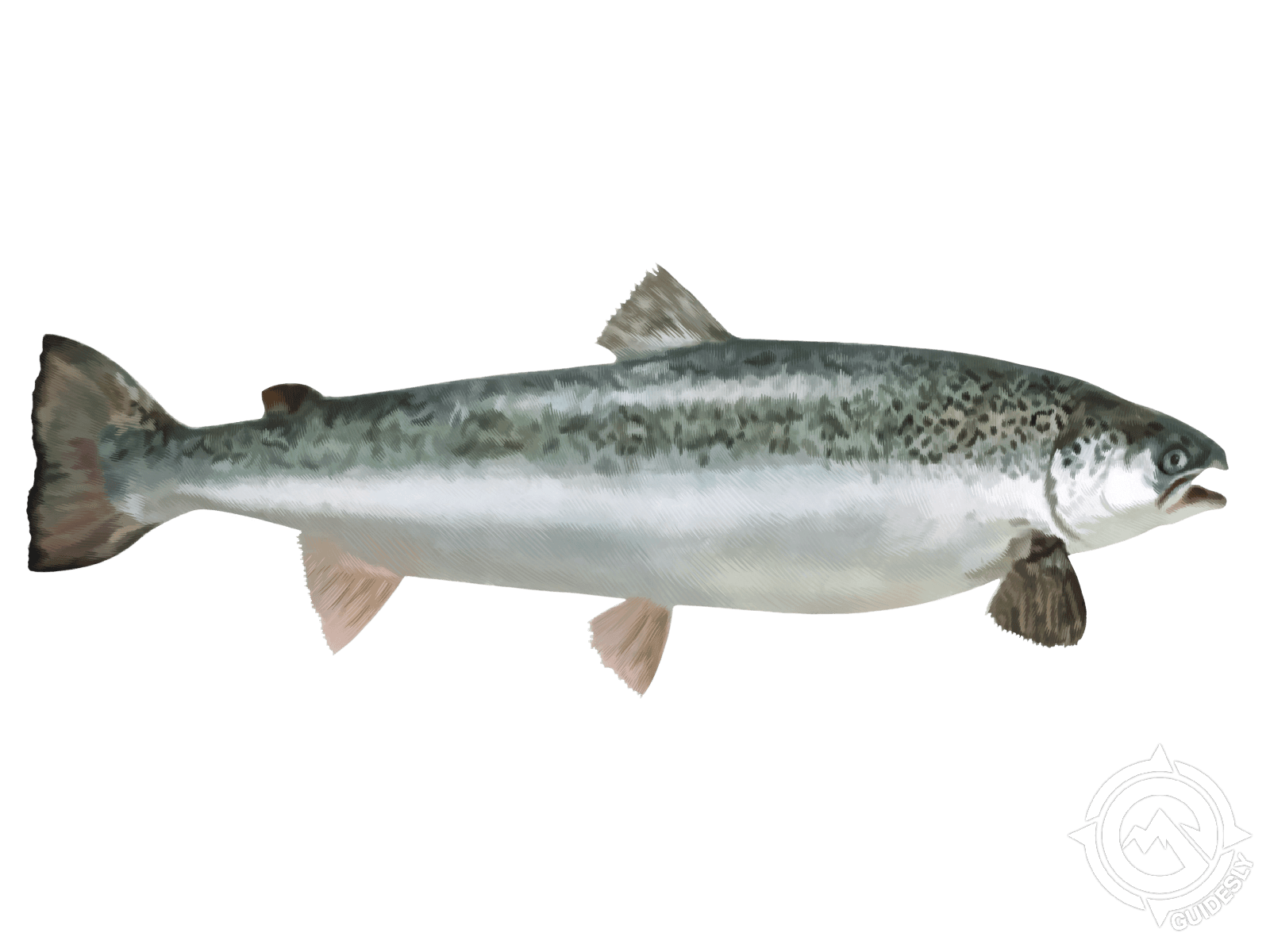
Sea Trout Overview
The Sea Trout (Salmo trutta), also known as Spotted Sea Trout or Speckled Trout, belongs to the family Salmonidae and the order Salmoniformes. These remarkable anadromous fish are known for their torpedo-shaped bodies, silvery coloration, and distinctive spots that cover their entire frame. What makes Sea Trout truly special is their fascinating life cycle—they migrate from ocean environments back to freshwater rivers to spawn, a behavior that has captivated anglers and naturalists for centuries. Whether you're fishing coastal estuaries or exploring inland river systems, the Sea Trout represents one of the most prized and challenging catches in both recreational and commercial fishing.
Sea Trout Habitat and Distribution
Sea Trout thrive in cold lakes and rivers where temperatures remain between 33.8 to 80.6°F, and they spawn on gravel bottoms of streams and rivers, typically during November through December. These fish have established themselves across vast regions of Europe, particularly along the coasts of Iceland, the United Kingdom, and throughout the Atlantic and Baltic areas. They're also found in abundance in the Caspian and Black Seas, though notably absent from the Mediterranean. In North America, Sea Trout populations exist in Canadian rivers, the Columbia River system, and along both Atlantic and Pacific coasts. Estuarine environments are particularly important to Sea Trout, as they provide the brackish water conditions where these fish spend much of their adult lives before returning to freshwater for spawning.
Sea Trout Size and Weight
Adult Sea Trout typically grow between 20 to 55 inches in length, though most commonly encountered specimens range from 14 to 24 inches. Their weight generally ranges from 1 to 6 pounds for average catches, though exceptional specimens have been documented at up to 40 pounds in certain instances. This size variation often reflects the time spent in saltwater environments—Sea Trout that spend more time in the ocean tend to develop larger frames and greater weights compared to their freshwater counterparts. Young Sea Trout, called parr when in freshwater, remain in rivers and streams for approximately five years before beginning their journey to the sea, during which they can travel up to 40 kilometers in a single day.
Sea Trout Diet and Behavior
Sea Trout are opportunistic feeders with a diverse diet that includes shrimp, prawns, small crabs, and various fish species. They also consume zooplankton and zoobenthos, making them active hunters both in saltwater and freshwater environments. One fascinating behavioral aspect is their color-changing ability: when in freshwater, they develop an olive coloration, but upon returning to saltwater, they transform to a brilliant silvery appearance. During the breeding season, male Sea Trout develop a distinctive hook-like protrusion on their lower jaw called a kype, which serves as a visual indicator of their spawning readiness. These fish are known as excellent fighters, making them highly valued by anglers who appreciate their strength and acrobatic displays when hooked.
Sea Trout Spawning and Seasonal Activity
Sea Trout typically spawn from November through December, returning to the freshwater rivers and streams where they were born to complete their reproductive cycle. This anadromous migration is one of nature's most impressive journeys—young Sea Trout spend nearly five years in freshwater before the urge to explore the ocean becomes irresistible. Upon reaching sexual maturity in the sea, they return to their natal rivers with remarkable precision, often traveling significant distances to reach suitable spawning grounds. In South Carolina and similar regions, Sea Trout typically inhabit estuaries year-round but may congregate in deeper channels and rivers during winter months to overwinter, which can create excellent fishing opportunities during the colder seasons when fishing pressure intensifies in these concentrated areas.
Sea Trout Techniques for Observation and Capture
Freshwater anglers typically employ fly fishing methods when targeting Sea Trout, using flies that mimic their natural prey. Commercial and saltwater anglers achieve excellent results with spinners, jerk baits, topwater plugs, plastic shrimp, spoons, and plastic tail grub jigs. Live bait strategies are also highly effective, particularly using herring and mackerel strips dipped near the sea bed where Sea Trout actively feed. For optimal success, focus your efforts on grass flats and shallow waters during nighttime hours when these fish are most active and aggressive. If direct sight-fishing proves challenging, trolling at idle speed through known Sea Trout habitats can be productive. During winter months, when Sea Trout form large schools in deeper waters reaching depths of approximately 164 feet, adjusting your tactics to target these concentrated populations can dramatically improve catch rates. Around coastal regions and estuarine systems, timing your fishing trips for early morning, late evening, and nighttime periods will maximize your encounters with active, feeding Sea Trout.
Sea Trout Culinary and Utilization Notes
Sea Trout, or Speckled Trout as they're often called, has earned its reputation as a popular table fish with moderate, flaky white meat that appeals to many diners. The flesh tends to be more tender and less oily compared to larger salmonids like salmon or steelhead, making it an excellent choice for various cooking methods. The delicate flavor profile is mild and refined, though it can vary depending on the fish's origin and diet. A critical cooking tip: avoid overcooking Sea Trout, as the tender flesh can quickly become mushy if subjected to excessive heat. From a nutritional standpoint, Sea Trout is an excellent source of high-quality protein and omega-3 fatty acids, nutrients scientifically linked to improved brain function, heart health, and overall cardiovascular benefits. In some European countries like Germany, this species is protected and highly regulated, reflecting its cultural and ecological importance to local communities and ecosystems.
Sea Trout Frequently Asked Questions
Q: What is the best bait or lure for catching Sea Trout?
A: Sea Trout respond exceptionally well to a variety of artificial lures, with jerk baits, topwater plugs, plastic shrimp, spoons, and plastic tail grub jigs being among the most effective options. Live bait enthusiasts find success with herring and mackerel strips dropped near the sea bed. Fly fishing with appropriate trout flies is also highly productive in freshwater environments. The key is matching the lure size and action to mimic the natural prey Sea Trout actively hunt.
Q: Where are the best locations to find Sea Trout?
A: Sea Trout congregate in grass flats, shallow coastal waters, and estuarine systems where freshwater meets saltwater. They prefer areas with suitable gravel bottoms for spawning and abundant food sources. In coastal regions, look for them in inshore and nearshore environments, particularly around river mouths and tidal creeks. Estuarine areas provide year-round habitat, making them reliable locations for consistent Sea Trout encounters.
Q: Is Sea Trout good to eat, and how should it be prepared?
A: Yes, Sea Trout is excellent eating with mild, delicate white meat that's more tender than many other fish species. The key to preparation is avoiding overcooking, as the flesh becomes mushy when exposed to excessive heat. Gentle cooking methods such as poaching, steaming, or light pan-searing preserve the delicate flavor. Nutritionally, Sea Trout provides impressive amounts of protein and beneficial omega-3 fatty acids, making it both delicious and health-conscious dining.
Q: When is the best time to fish for or observe Sea Trout?
A: Early morning, late evening, and nighttime hours are prime times for Sea Trout activity and feeding. Spawning occurs from November through December when fish migrate to freshwater rivers. Winter months present excellent opportunities when Sea Trout form large, concentrated schools in deeper waters, making them easier to locate and catch. Seasonal patterns vary by region, so consulting local fishing reports enhances your success rate.
Q: How can I distinguish Sea Trout from similar species like Rainbow Trout or Atlantic Salmon?
A: Sea Trout can be identified by their silvery coloration in saltwater environments (olive in freshwater), numerous spots covering their body, and the presence of an adipose fin. Unlike Rainbow Trout, which possess black spots specifically on the tail, Sea Trout distribute spots across their entire body. Atlantic Salmon differ by lacking the red tinge on their adipose fin that's sometimes visible on Sea Trout. The torpedo-shaped, elongated body and moderate size provide additional identification clues.
Q: What makes Sea Trout historically significant in fishing culture?
A: Sea Trout holds the distinction of being the first fish species to undergo artificial reproduction, with documented pilot activities occurring in 1739 in Germany. This pioneering effort established the foundation for modern fish hatchery practices and aquaculture techniques used today. Additionally, as an anadromous species sharing this characteristic with Sea Lamprey, Striped Bass, and Salmon, Sea Trout exemplifies the remarkable life strategies that evolved among salmonids over millions of years of natural selection.